The Engineering Challenge of Antique and Vintage Repair

In modern industrial design, products are largely built for modular replacement rather than component-level service. When a contemporary electronic device or mechanical assembly fails, the standard protocol is typically wholesale replacement.

However, antique mechanisms, vintage electronics, and legacy industrial equipment operate under an entirely different engineering paradigm. Servicing these items requires a specialized technical discipline focused on diagnostic precision, material science, and custom fabrication.

Technical Demographics of Legacy Equipment

Older equipment—ranging from mid-century vacuum tube circuitry and analog instrumentation to mechanical timepieces and legacy hardware—was engineered with discrete components and accessible architecture. Maintenance assumed that individual elements would eventually require replacement or calibration.

When these systems fail today, the root cause is usually material degradation rather than architectural flaws:

  • Capacitor and Dielectric Breakdown: Electrolytic capacitors dry out, shifting capacitance values and threatening downstream components.
  • Mechanical Stagnation: Lubricants polymerize over decades into a resinous barrier, seizing gear trains and increasing friction on delicate tolerances.
  • Thermal and Electrical Fatigue: Resistors drift out of tolerance, and wiring insulation degrades under continuous voltage stress.

Diagnostic and Restorative Methodologies

Repairing vintage and antique items requires a blend of traditional craftsmanship and rigorous engineering analysis:

  • Component-Level Diagnostics: Unlike modern systems that rely on automated board swaps, legacy repair demands manual signal tracing, schematic analysis, and oscilloscope verification of analog waveforms.
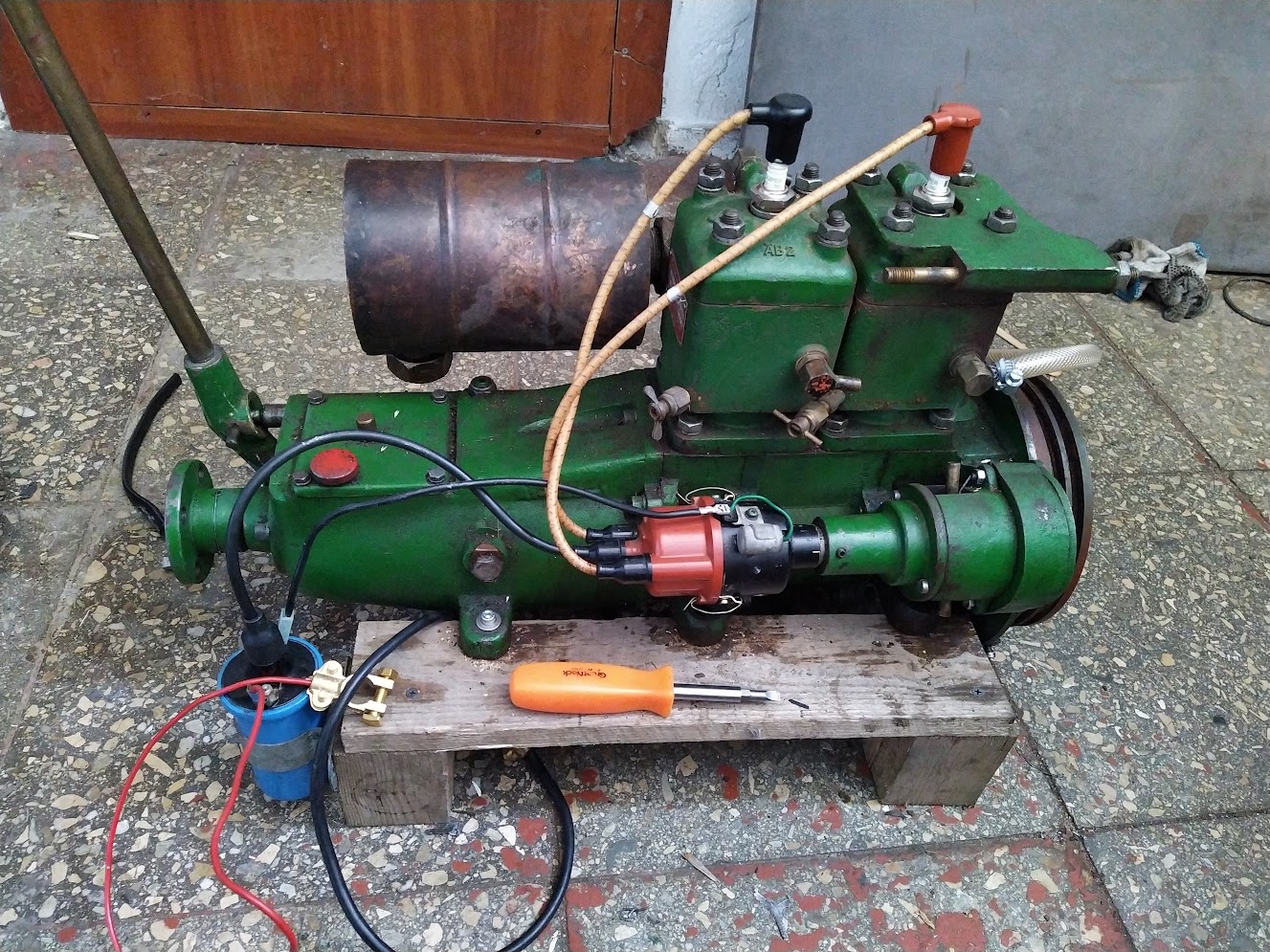
  • Custom Fabrication: Because original replacement parts are frequently obsolete, technicians must frequently reverse-engineer failed components, calculate electrical equivalents, or machine custom mechanical parts (such as gears, bushings, and structural brackets) to exact tolerances.
  • Preservation of Structural Integrity: A successful restoration balances functional reliability with historical preservation. Interventions must stabilize the system without altering core physical properties or unnecessarily modifying original assemblies.

Economic and Operational Value

For specialized equipment, high-end legacy audio gear, mechanical assets, and historical artifacts, professional restoration offers a reliable alternative to disposal. Restoring a precision mechanism or a legacy electronic system preserves original build quality, maintains functional capability, and ensures that complex equipment remains operational.

Cases:

  • A video player built into a CRT TV from 1960-s.
  • Paging network imitation with low-power radio transmitter to present how paging networks worked.
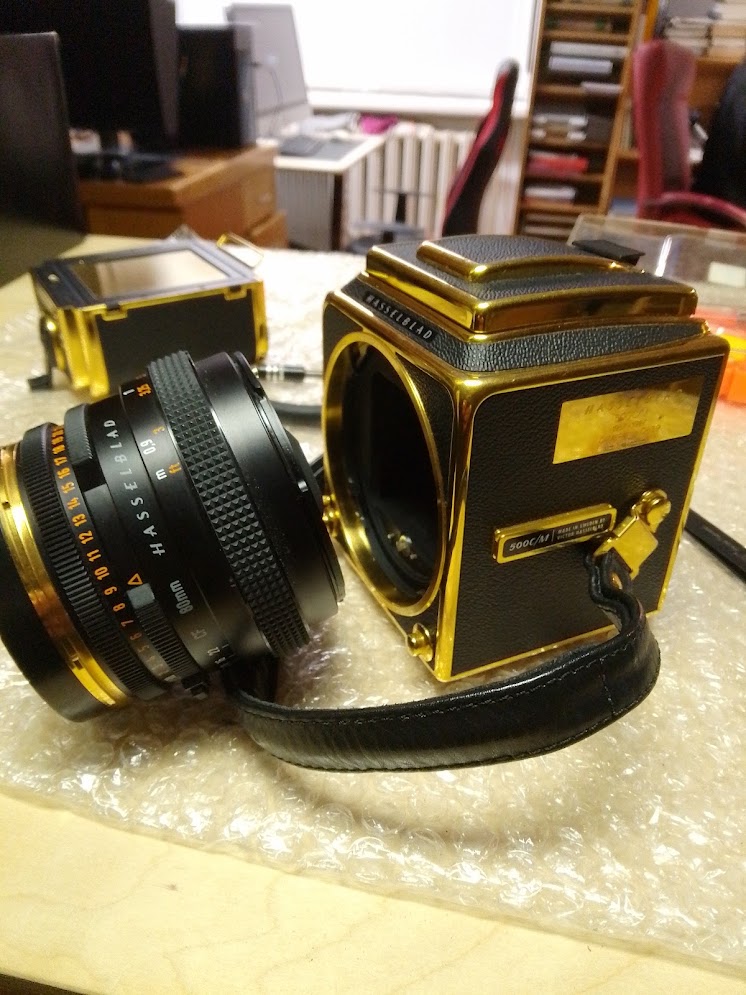
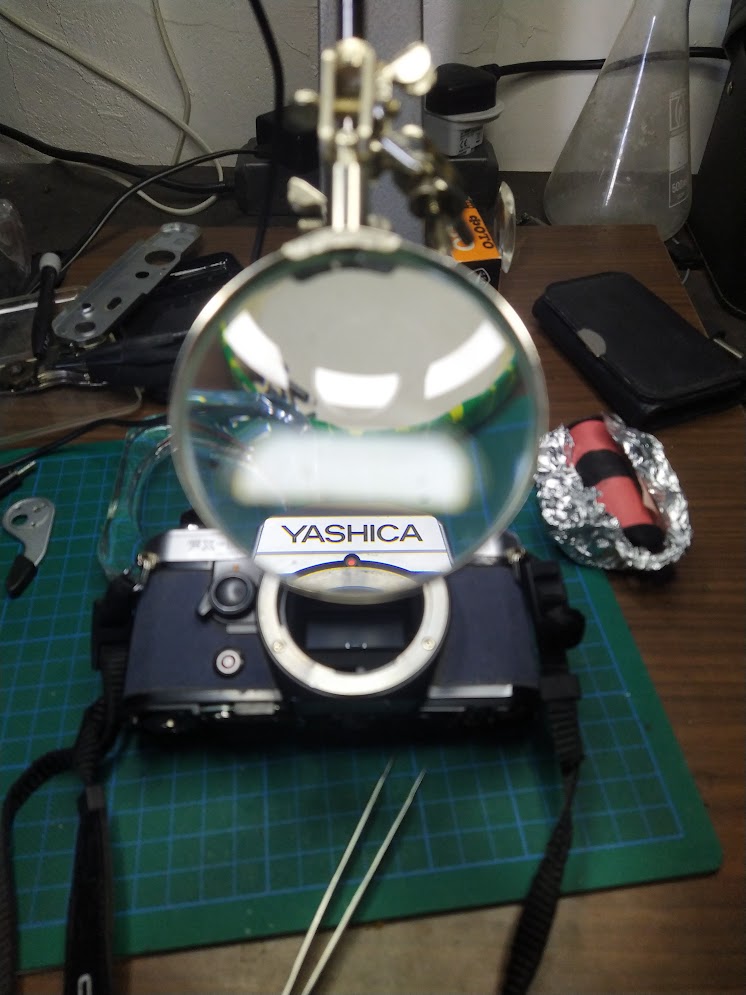
  • 1930-s camera repair

etc etc.


To discuss a diagnostic evaluation for a vintage electronic device, antique mechanism, or specialized legacy equipment, contact the workshop to submit a service inquiry.
Contact Us

E-mail

[email protected]


Discord Channel

discord.gg/4pGWCkYkjB


Address

Geležinio Vilko 2B